

The Last of the Donkey Cocklers
2026
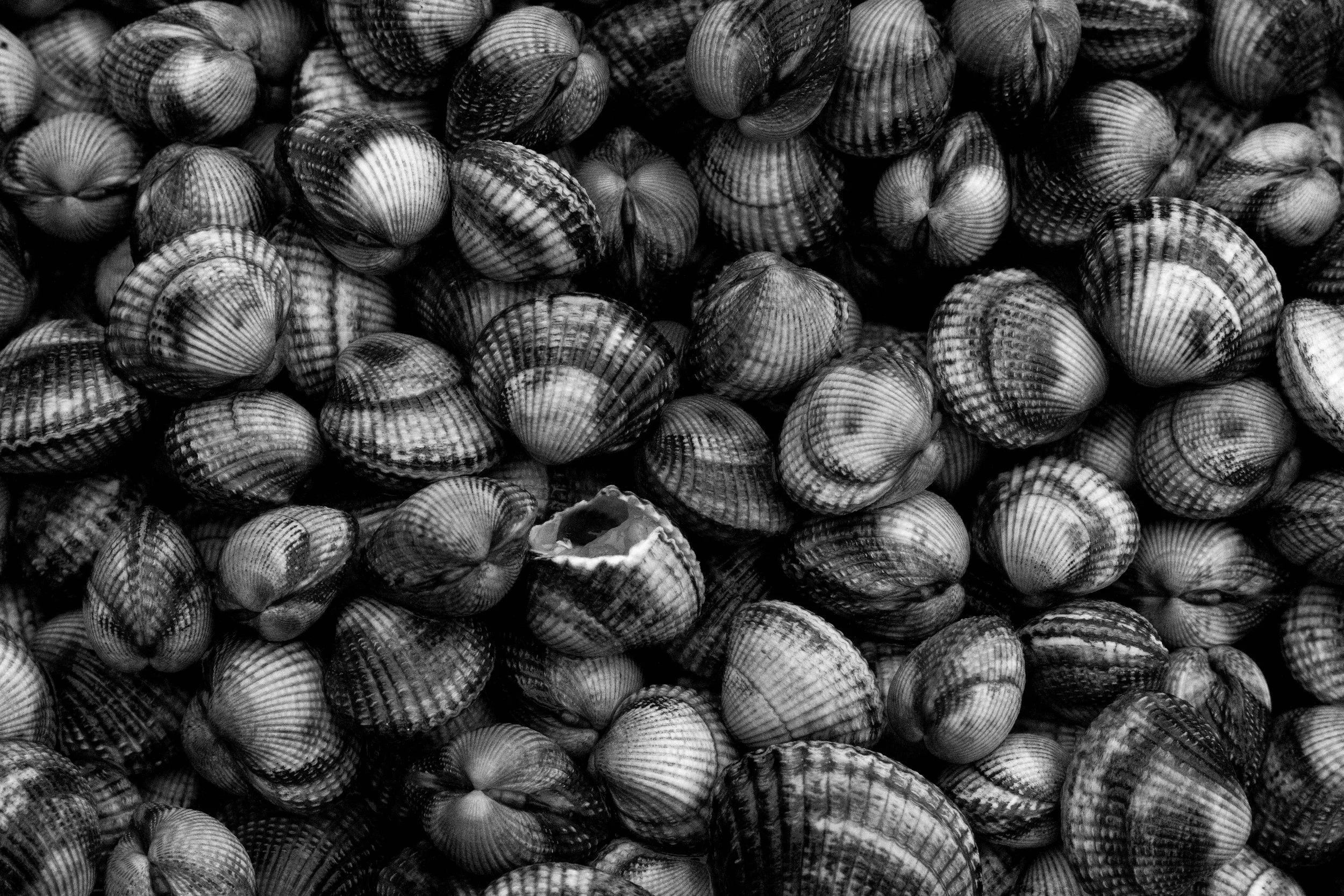
‘The last of the donkey cocklers’ looks upon the famed cockle industry of Penclawdd, a village on the edge of the sands. There has been evidence of cockle picking in the village since Roman times, with the majority of its documentation coming from the 19th and 20th century. Cockle picking was widely regarded as a woman's work, with wives being able to subsidize their husbands income, supporting themselves and their family. This unique source of income made it possible for women of the village to gain a level of financial independence that would have been hard to find elsewhere. This independence crafted hard working resilient lines of women in the village, earning themselves an attitude of respect that was reflected in evidence of matriarchal systems. (Children would be better known by their mothers names than their christian surnames)
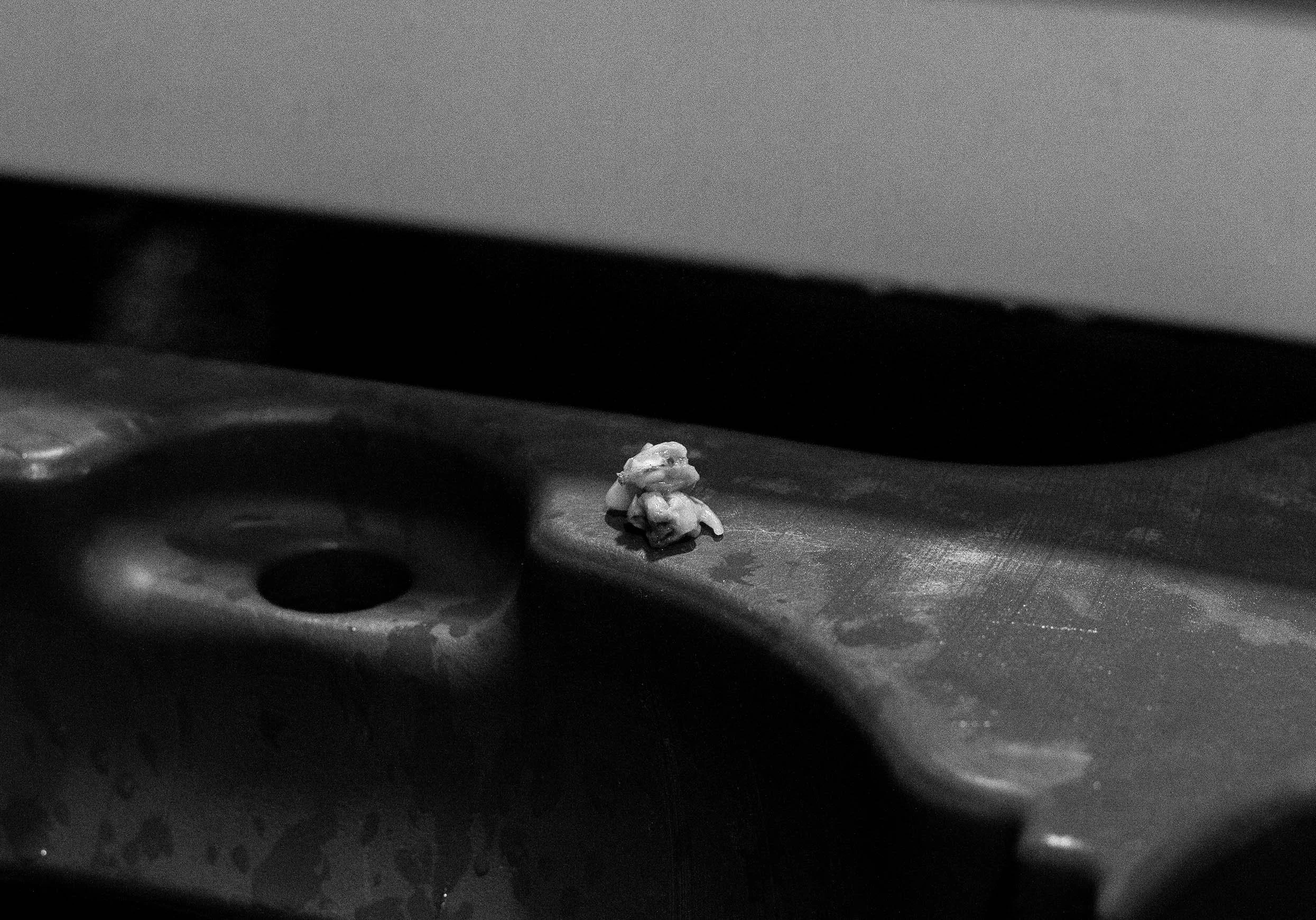
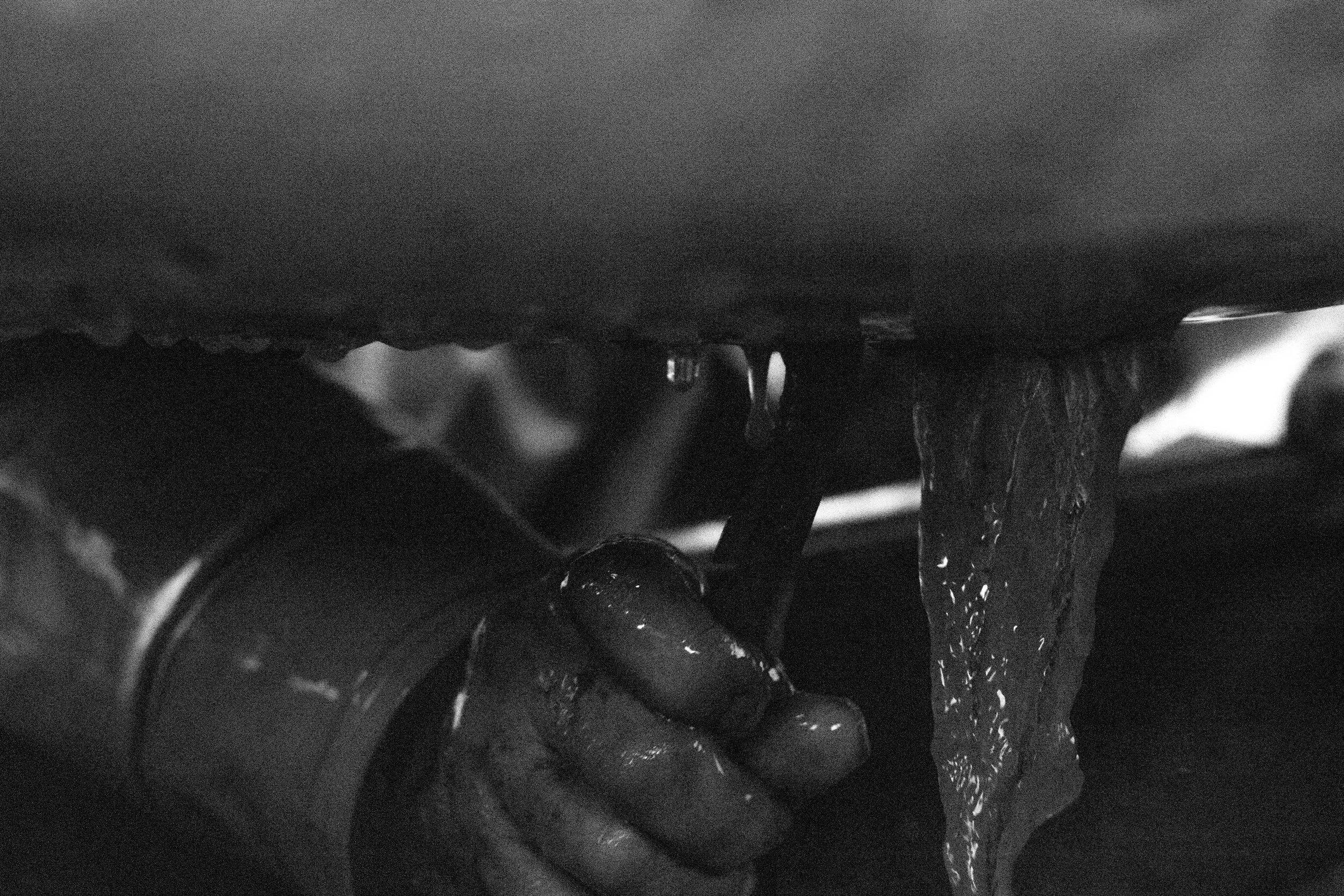
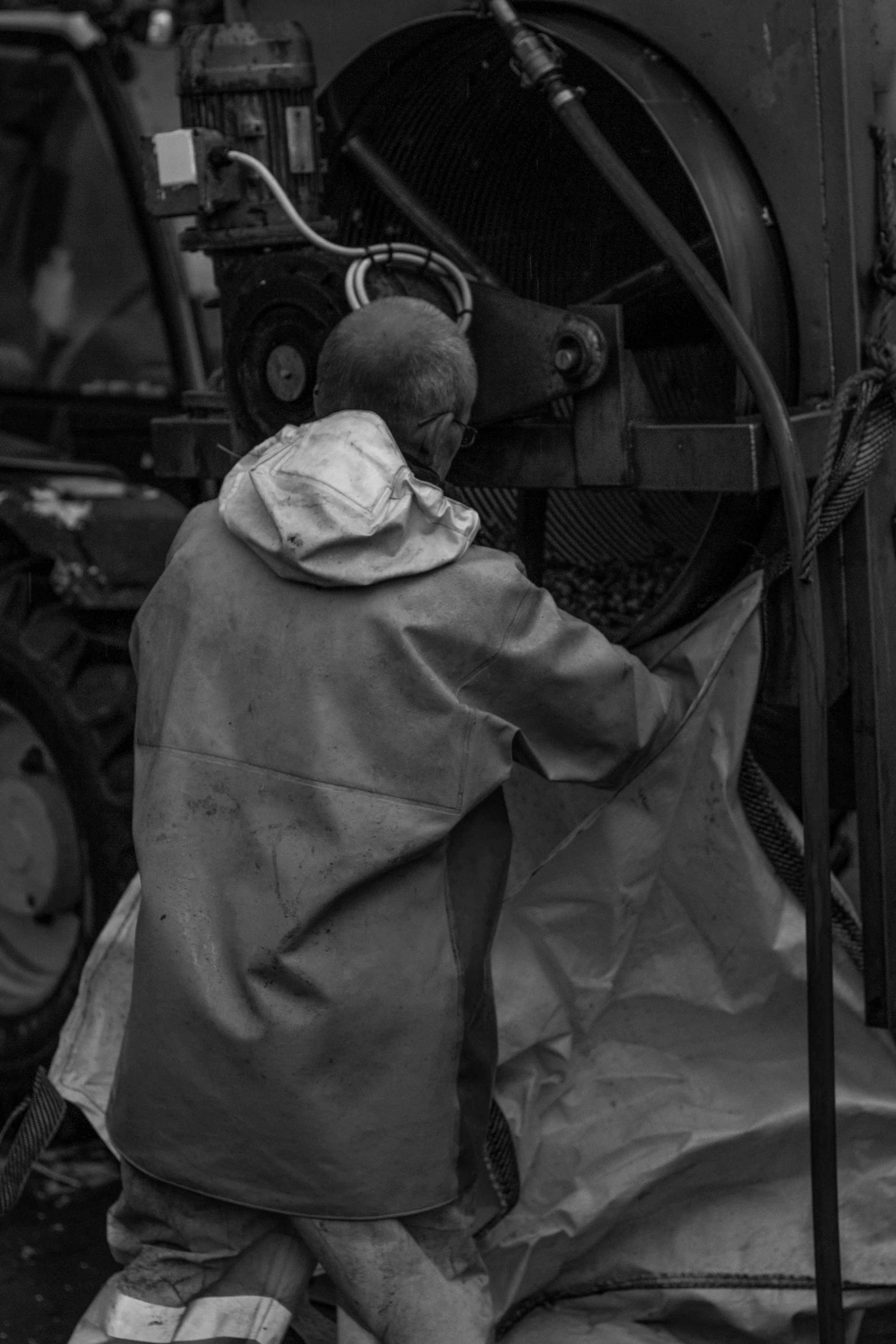
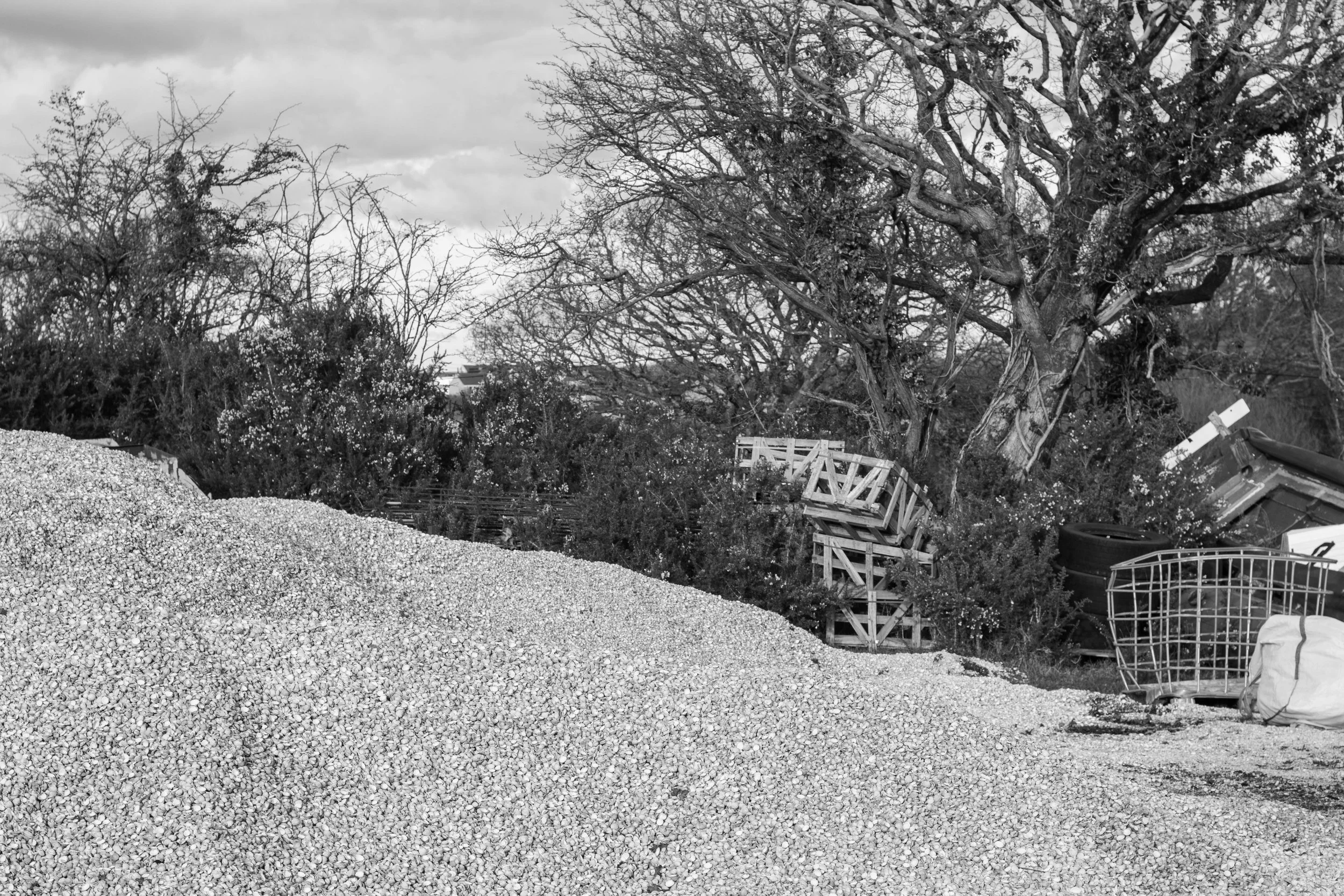
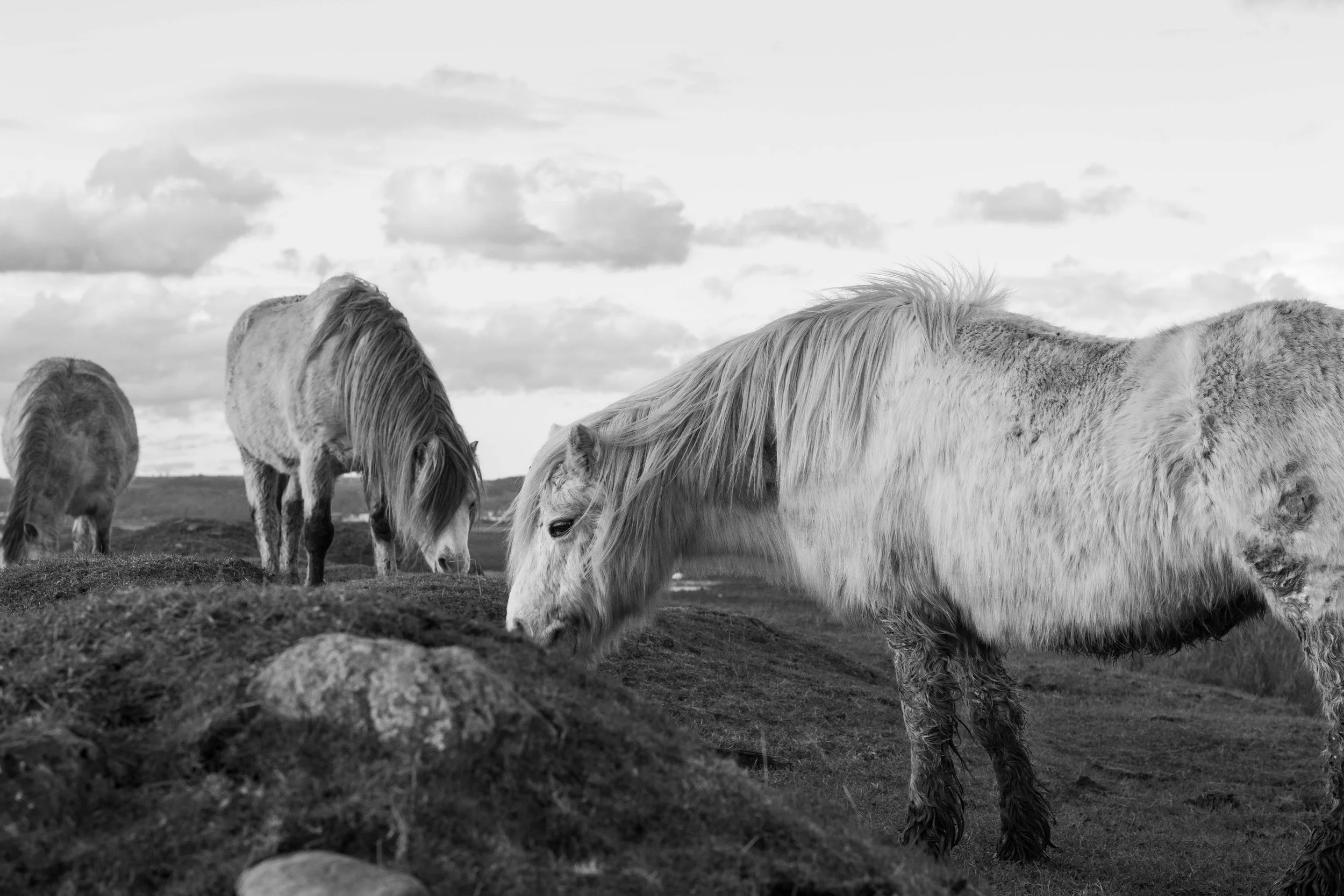
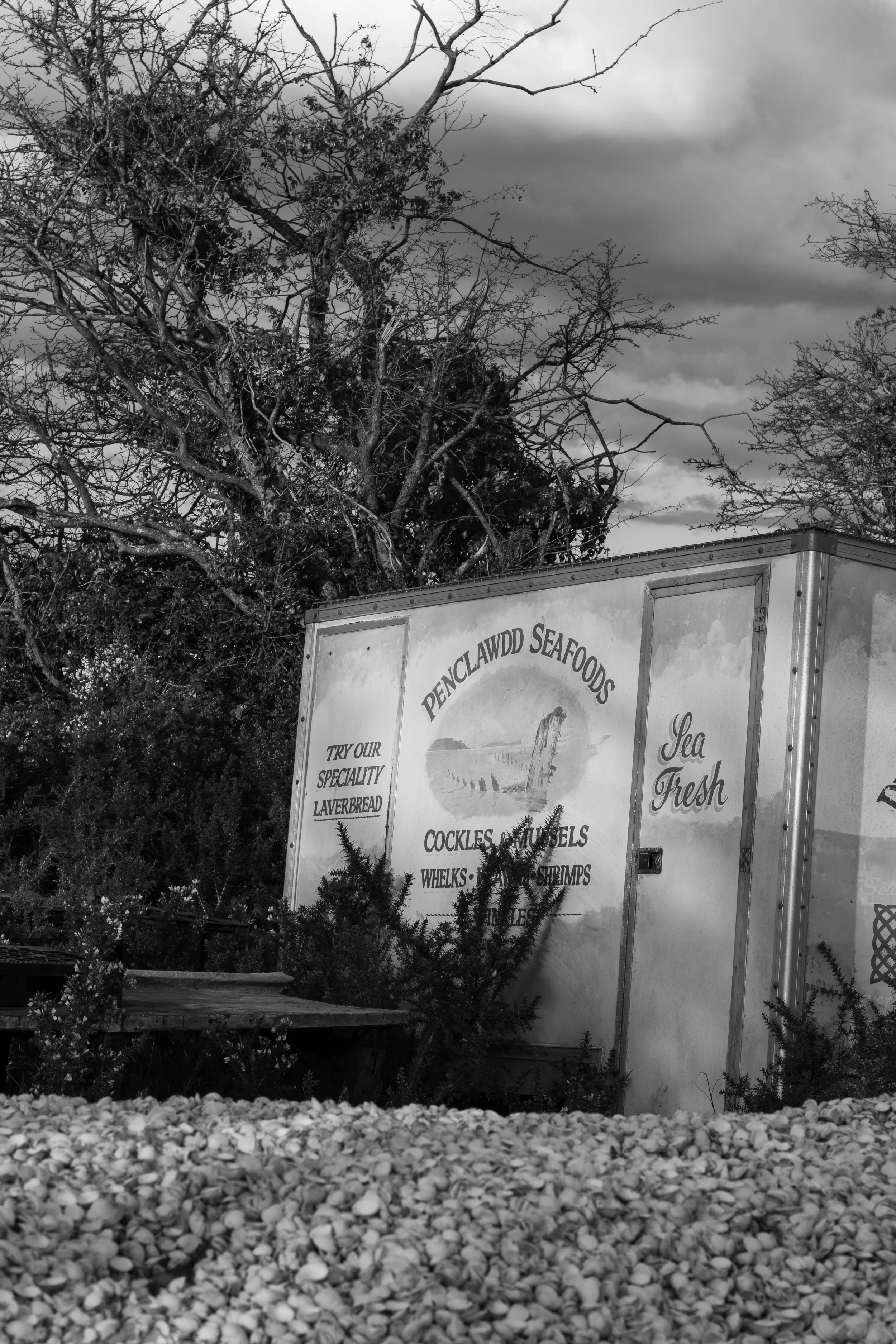
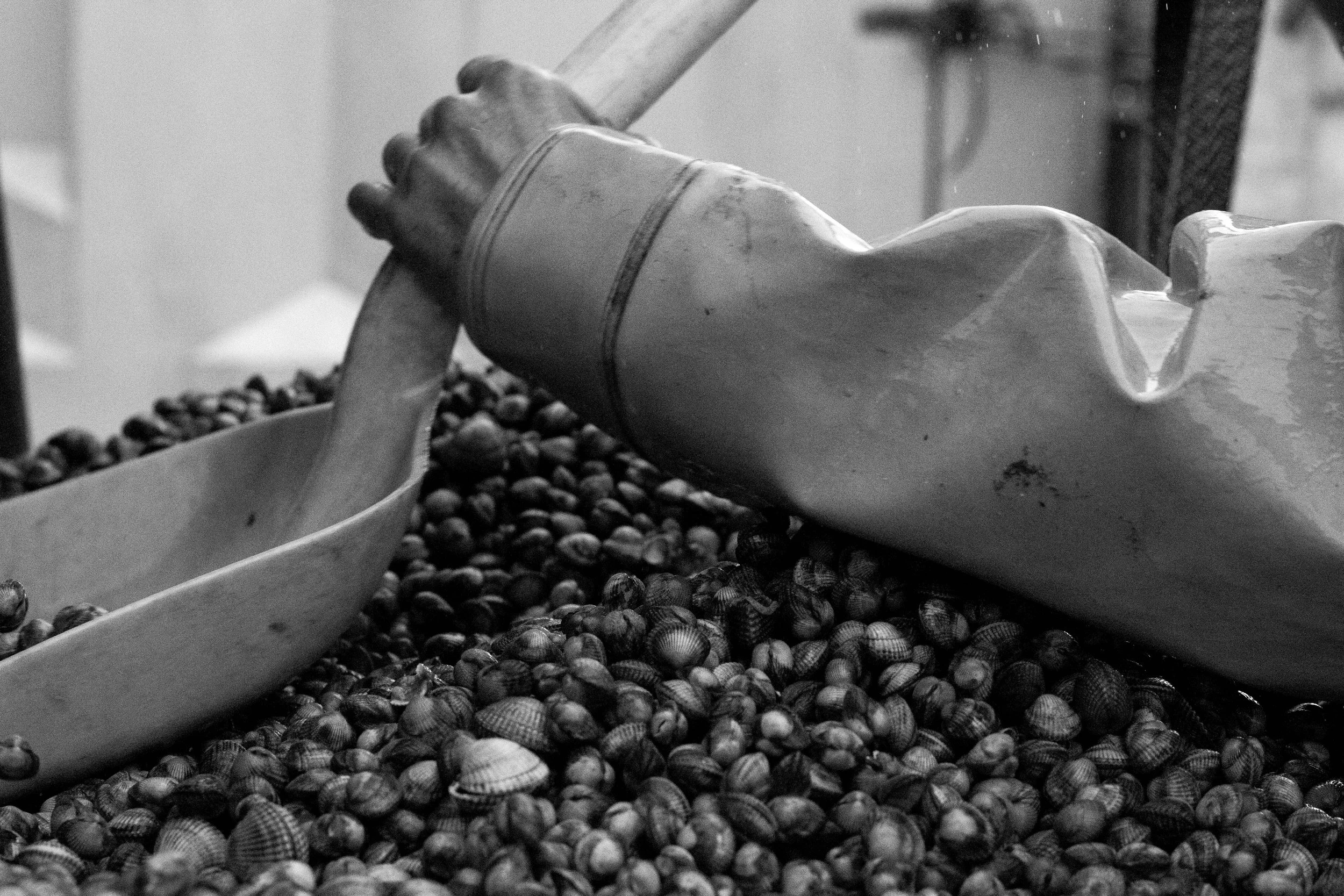
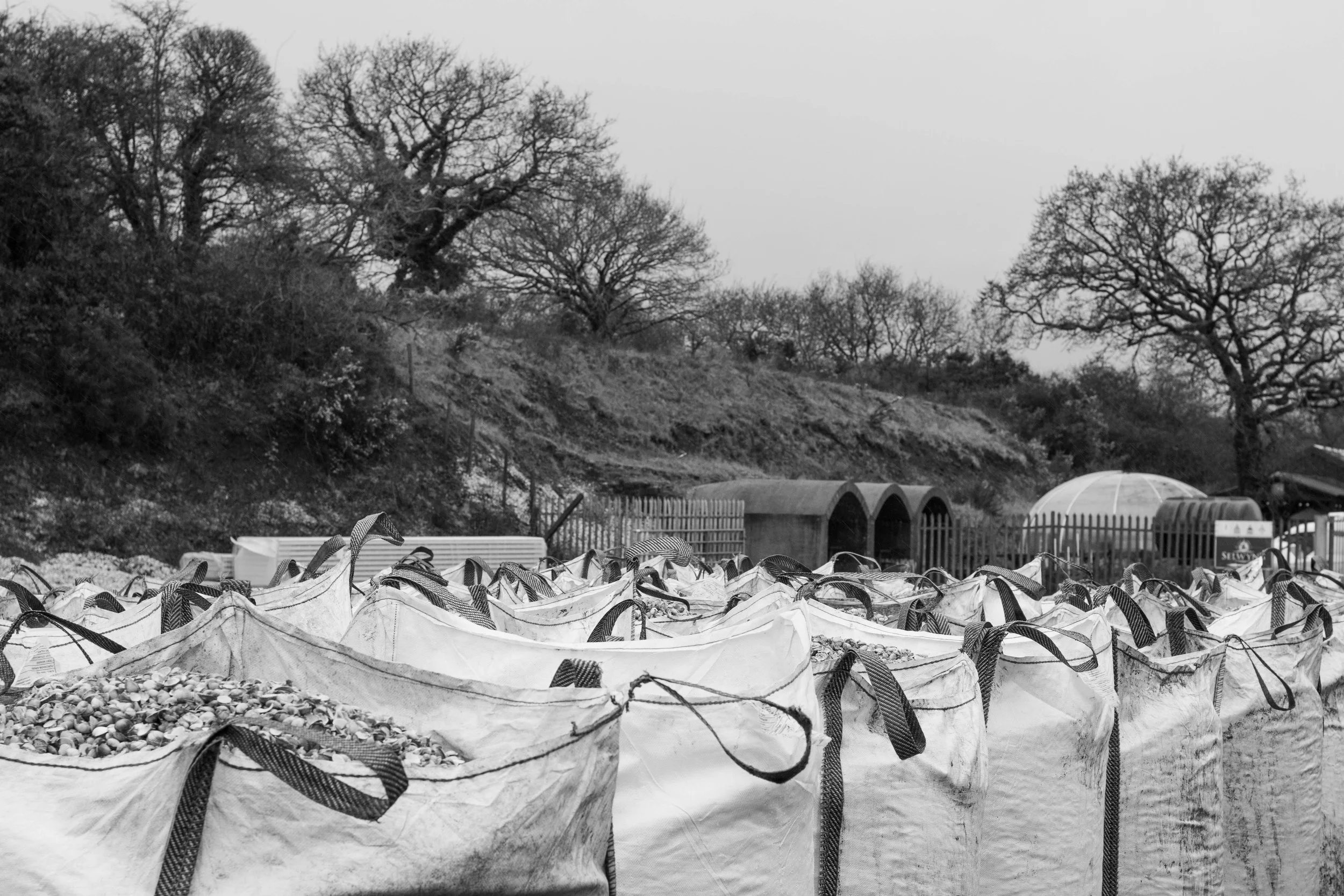
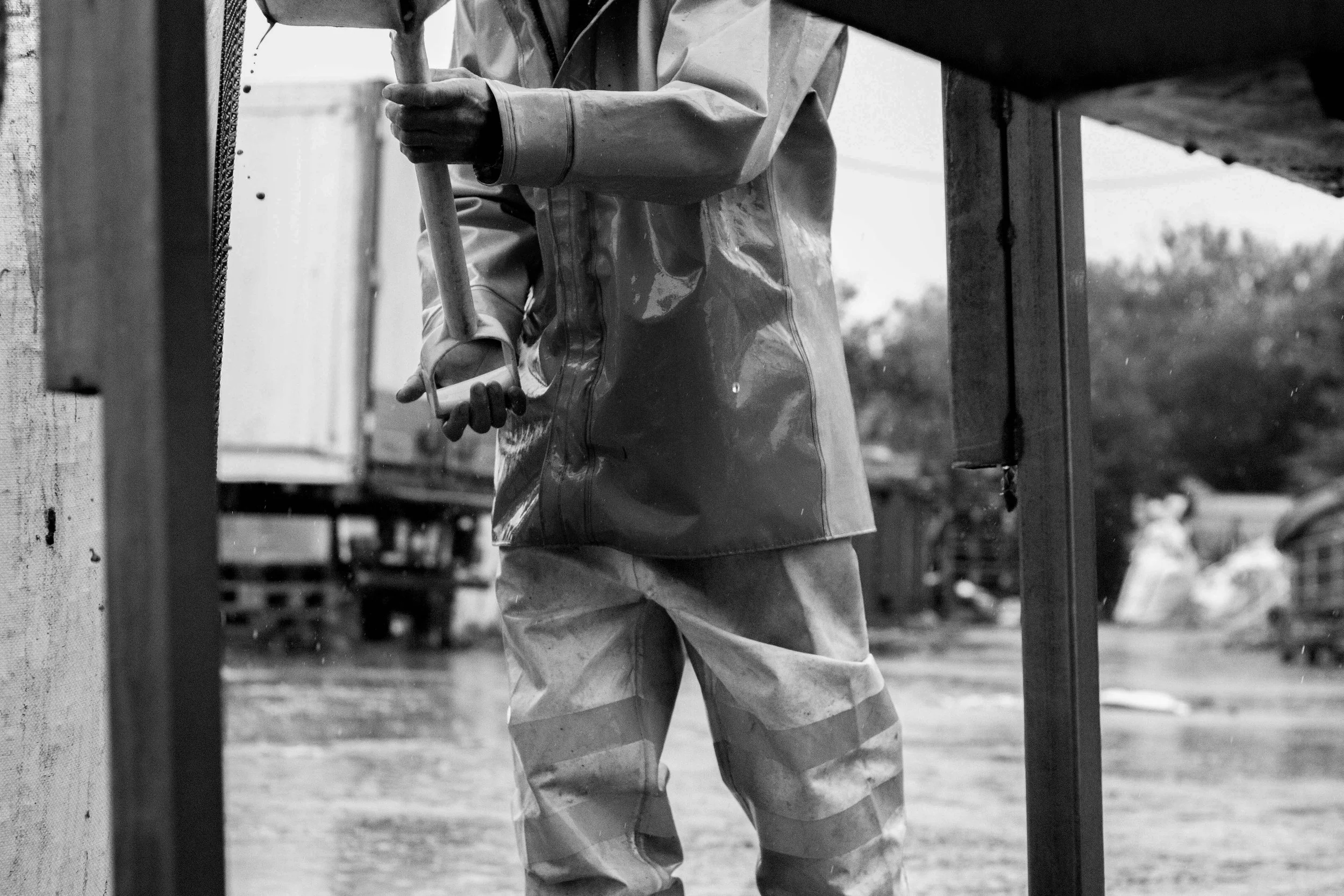
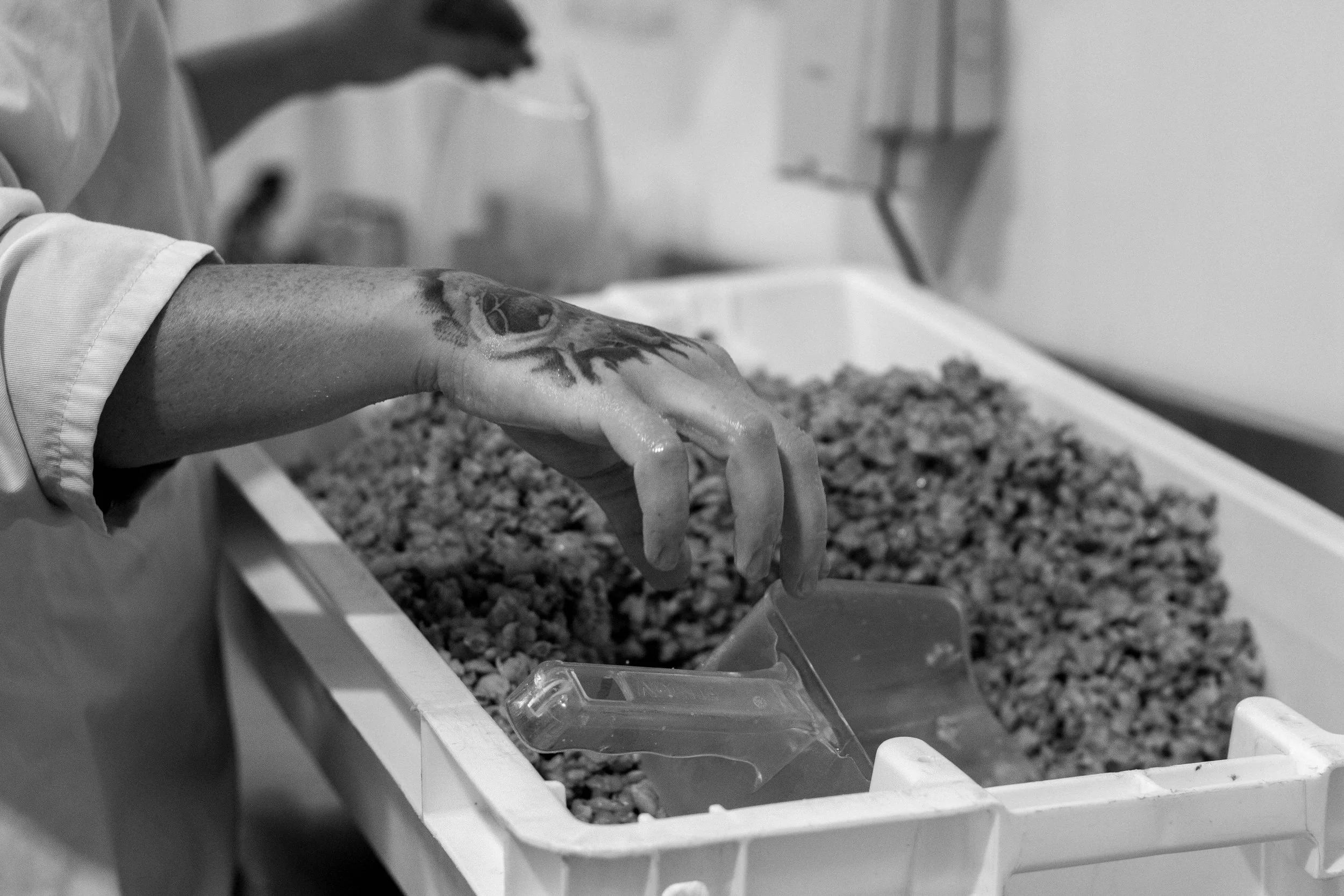
While times have changed over the years, women are still involved and respected in the industry and village. My project looks to utilize this history to represent the current modern industry within the village. With thanks to Selwyn’s Seafoods, I was able to explore food processes within their factory, while also looking at the ways in which the history and industry displays itself visually in the area.
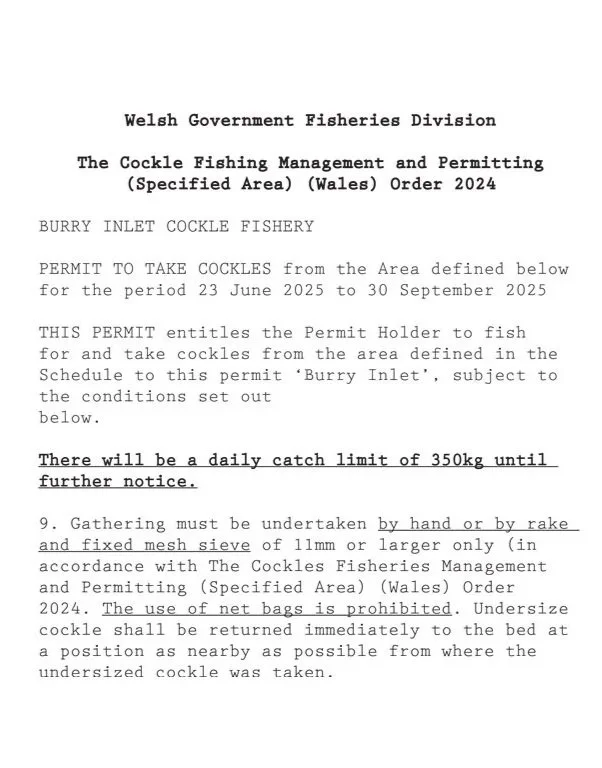
With new laws coming into place in 2025 allowing the process of easily attainable permits to be put in place, the industry is facing serious threats of overfishing, pushing Selwyns and other locals into uncertain territory. The number of fishers out there means that standards are not being maintained, and the funding provided to the fisheries in charge of controlling these factors do not align. The industry is in serious danger of losing its valuable heritage and ‘Last of the Donkey Cocklers ’ seeks to not just promote change in the industry's issues with overfishing, but to celebrate the rich history associated with the area.
They were the most wonderful, honest, hard workers that god ever put on this earth. These good-looking women were physically strong, with good principles, and strong personalities. They were proud of their physical fitness, and walked erect. They were impatient with talk of ailments, self-praise, and idle gossip.
- Marianne Eaton
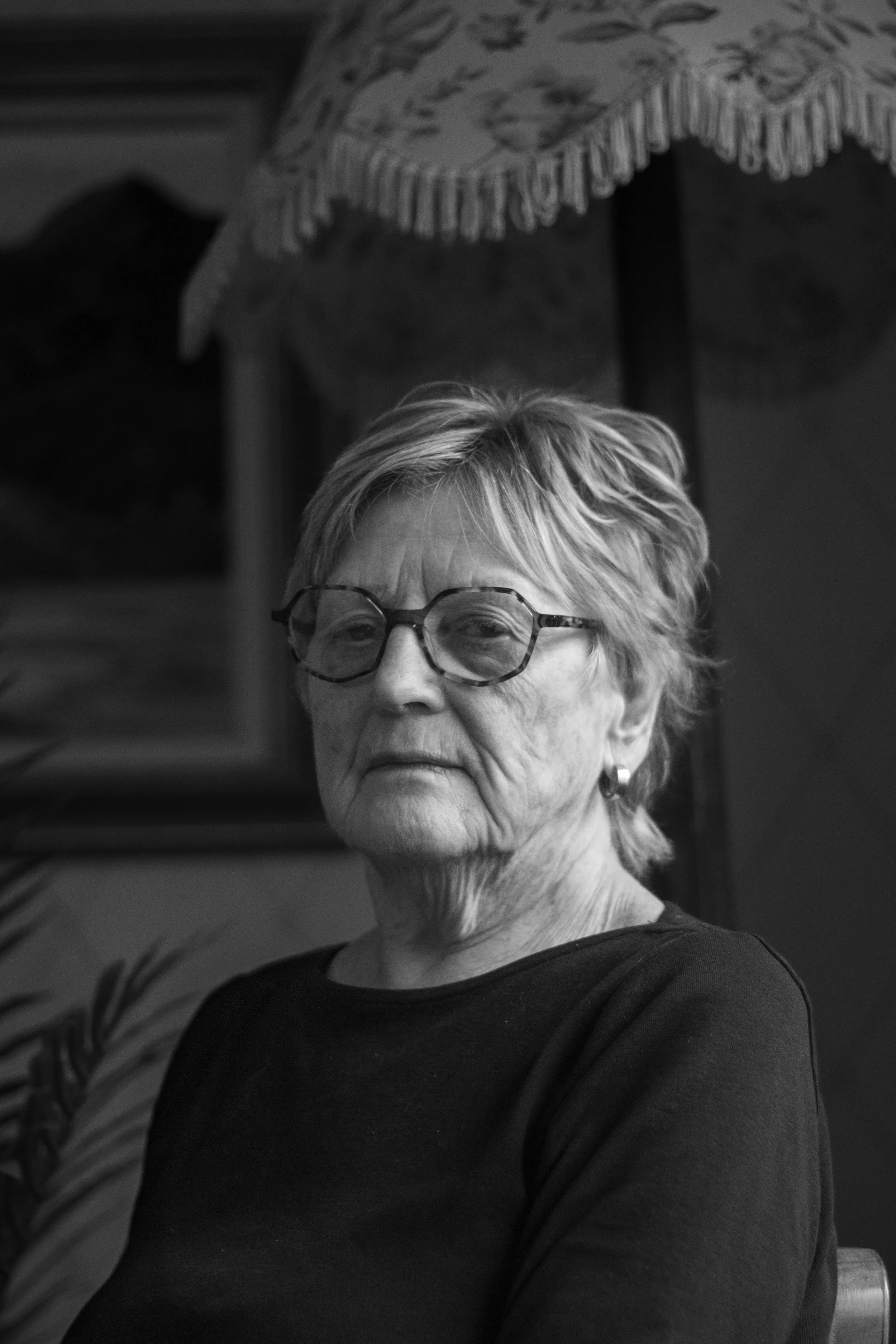
Ann Roberts, local resident and author of 'Estuary People; Penclawdd 1900 to 1970’s’
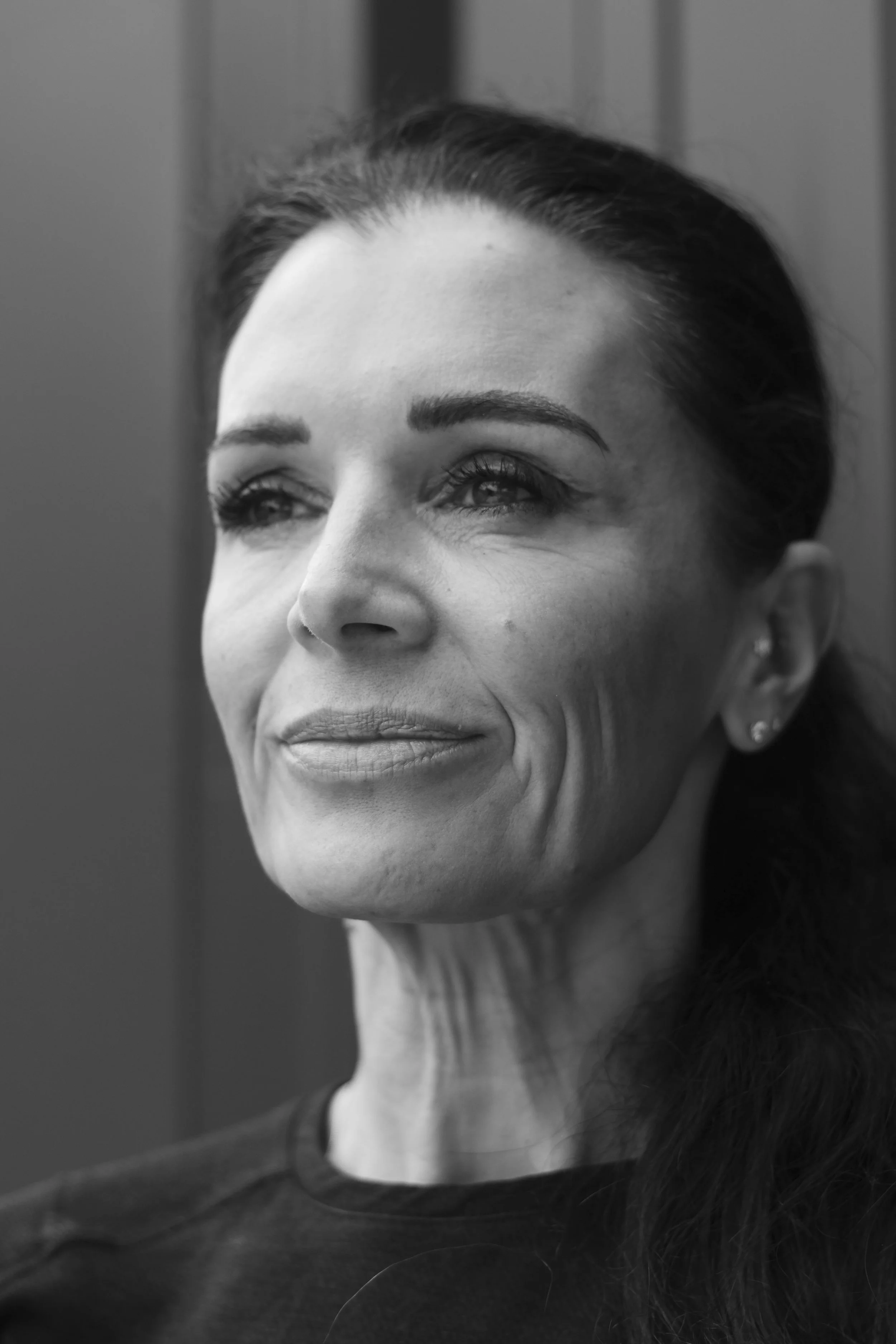
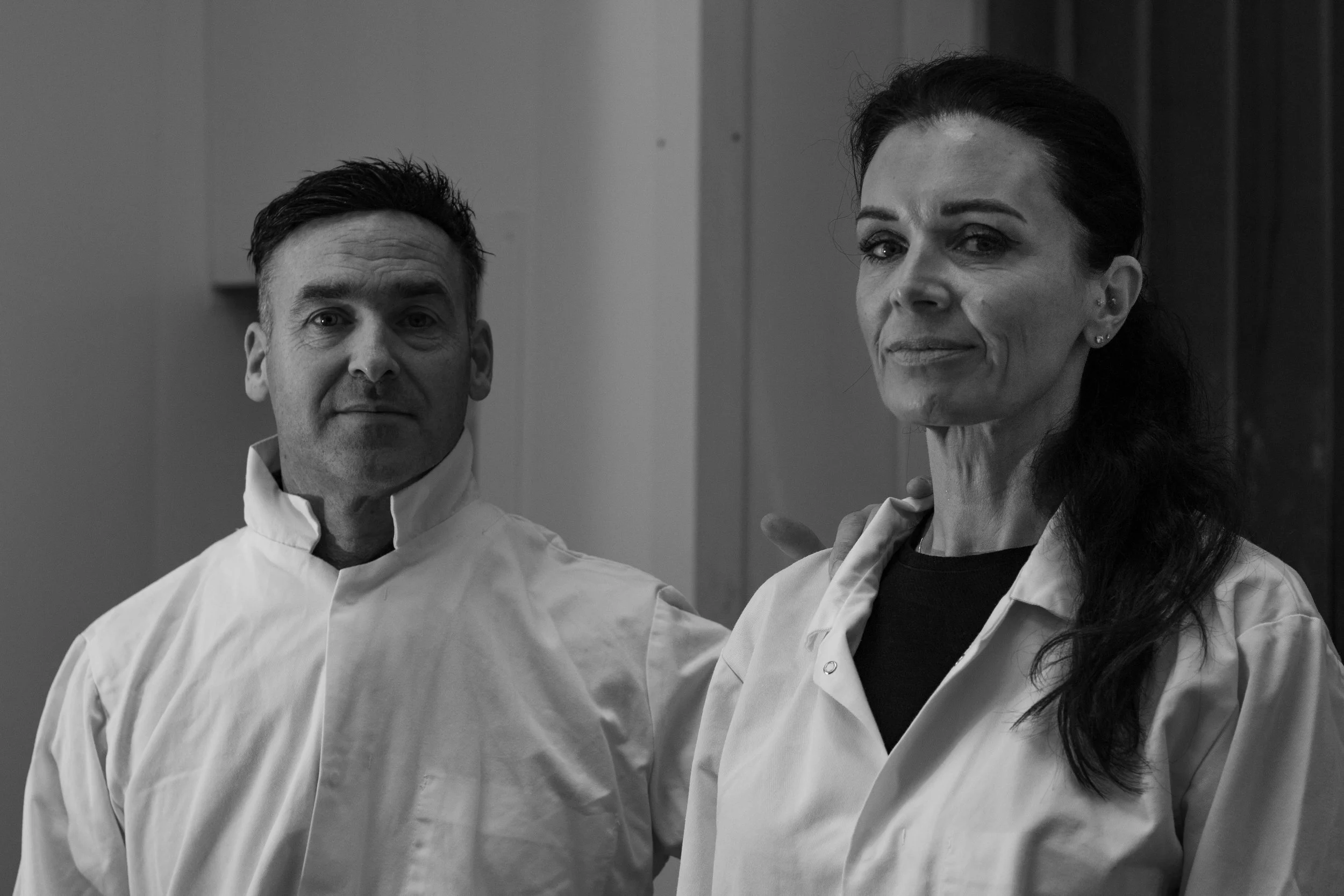
Kate Jones co owner of Selwyn’s Seafoods
Up until last June we had a regulated order on the estuary. It was policed by the Welsh government or the NRW at the time. And they have selected the people to have licenses for the last 60 years. My dad had one from the age of 15, he’s 72 now.
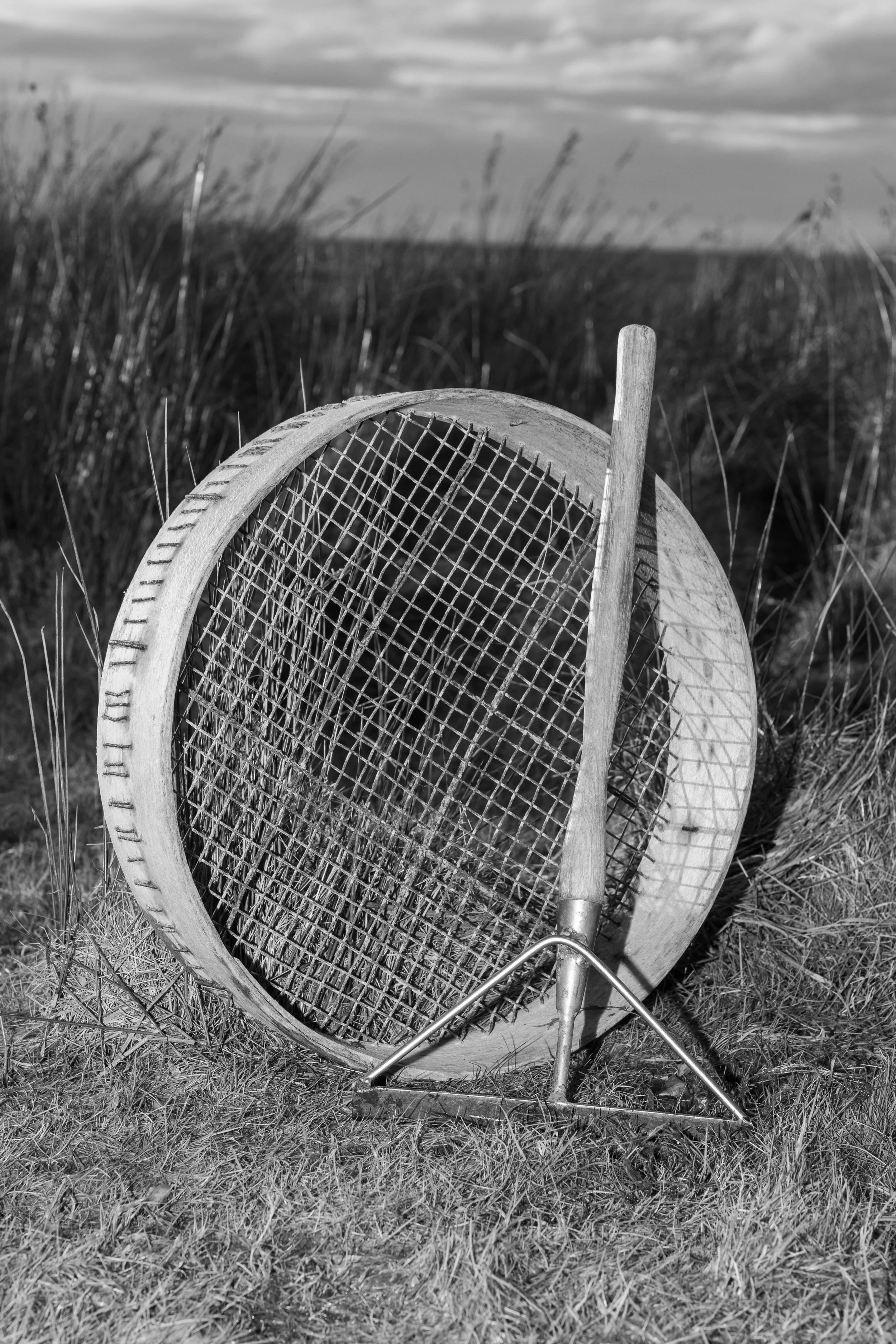
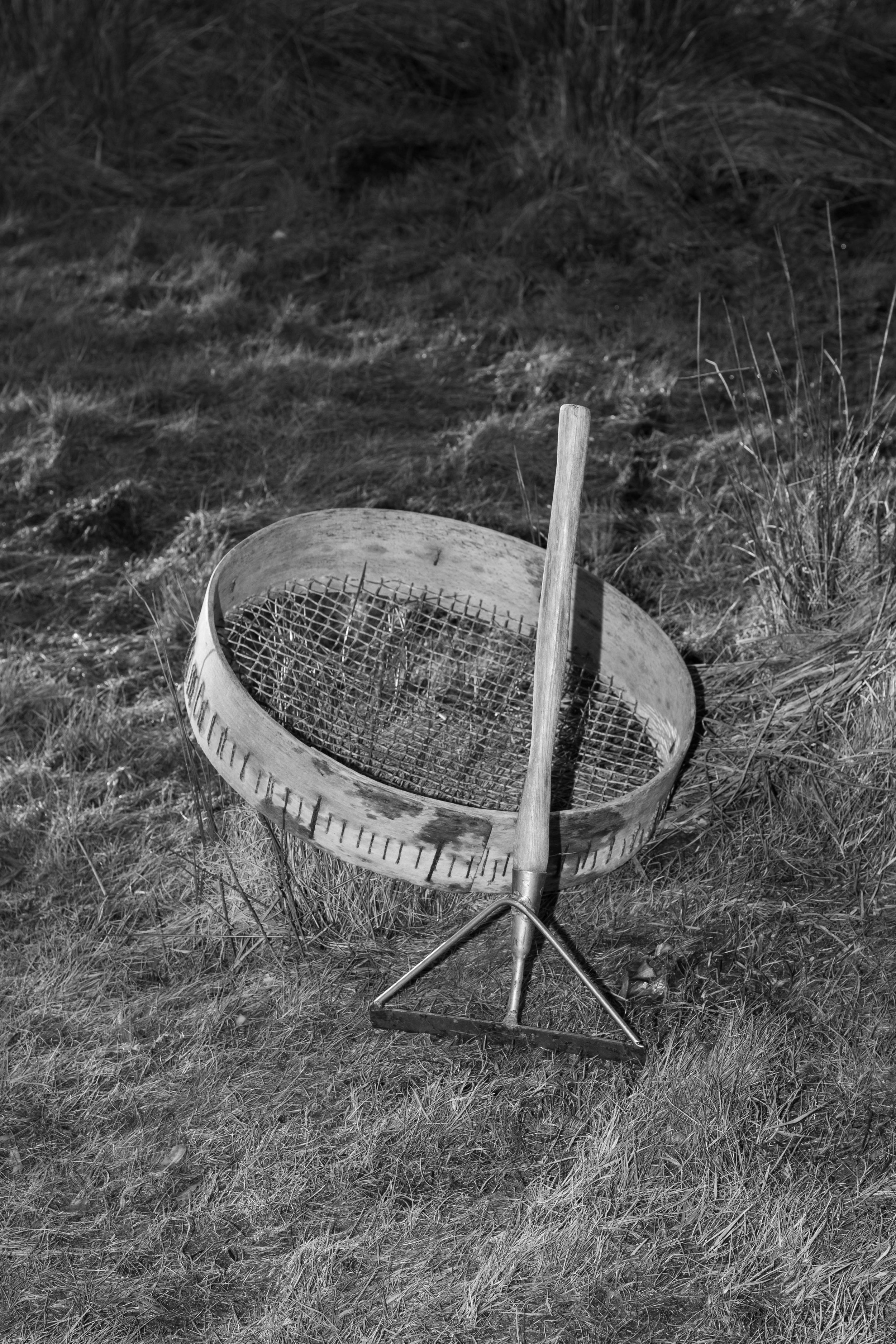
With this new system, anybody over sixteen can get a permit. You get a foreshore gatherers course, which is an hour of learning the tides. They give you the days you can fish, the method you are supposed to use (the traditional rake and riddle), a size limit, a daily quota, and you are only allowed to take them off by boat. So they’ve gone from 56 licenses, with probably an active 20 gatherers, to up to 230 permit holders. Because there are so many people coming through from all different places, the policies aren’t enforced and the quotas are not maintained.
The quota will say you can have 6 bags each, you get some guys out there picking 40, using illegal nets. We have a NRW official saying there’s X amount of cockles out there, when they are gone, the bed finishes. In the end it gets to the point of how can we compete. It’s a race to get as much as you can as quickly as you can. It’s all about money, and these people that pick for extra cash don’t suffer the rest of the year while we have to wait for the beds to replenish. You can make up to 10k in a couple months by overfishing. Well it gets to the end of the season, the beds close, and you think I’ve only earned this much by sticking to the rules, and he’s earned twice as much by not following them. Everyone else is doing it, What’s to stop people.
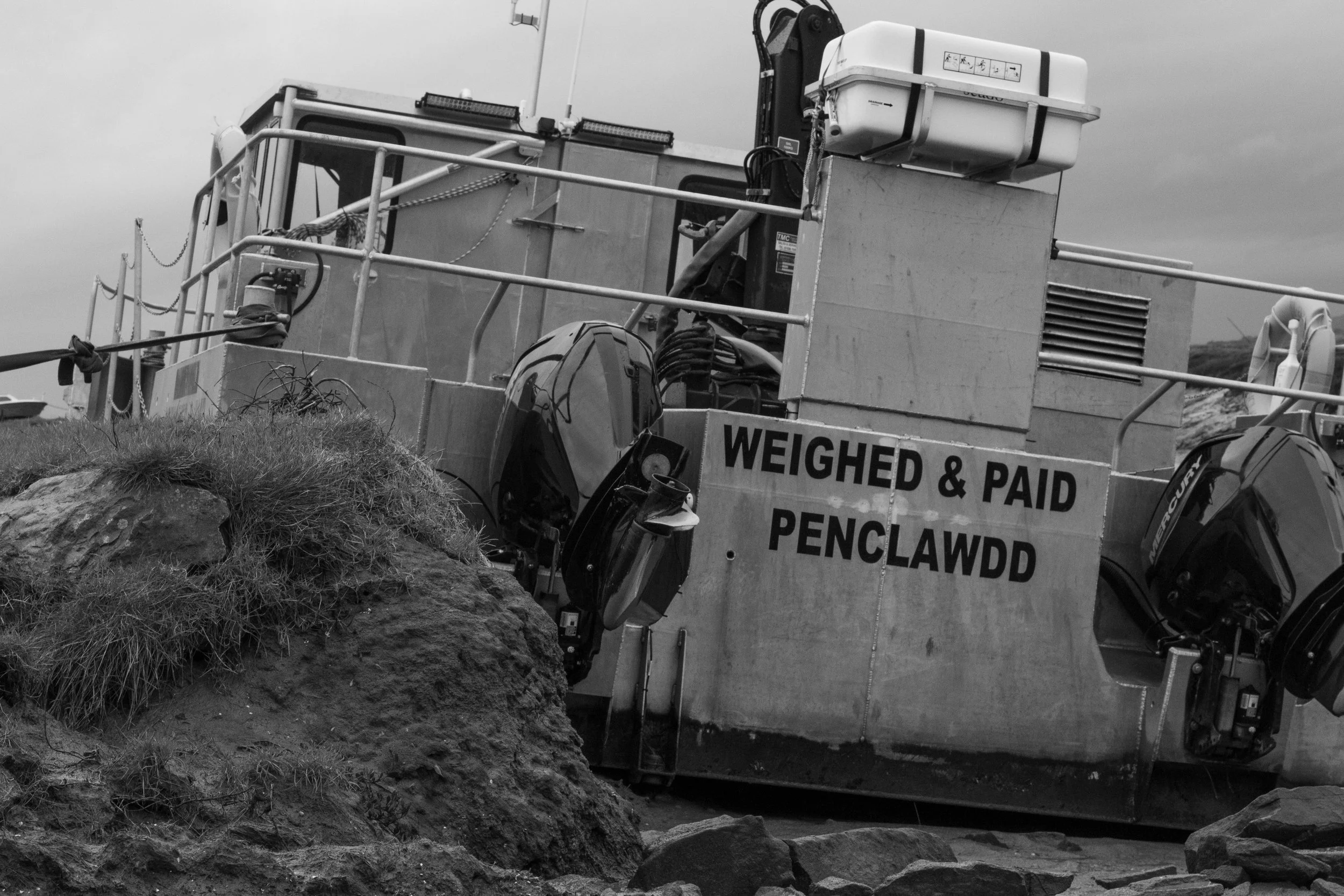
We had the new boat to fit within the fishery, that can carry a large quantity of cockles. We named it weighed and paid, because that’s how we see it going. Its heritage used to be regulated. We have a history, but we feel that it is now being watered down years to come, because now, everyone’s grandparents gathered cockles, even if it was just for one day.” (Ashley Jones)
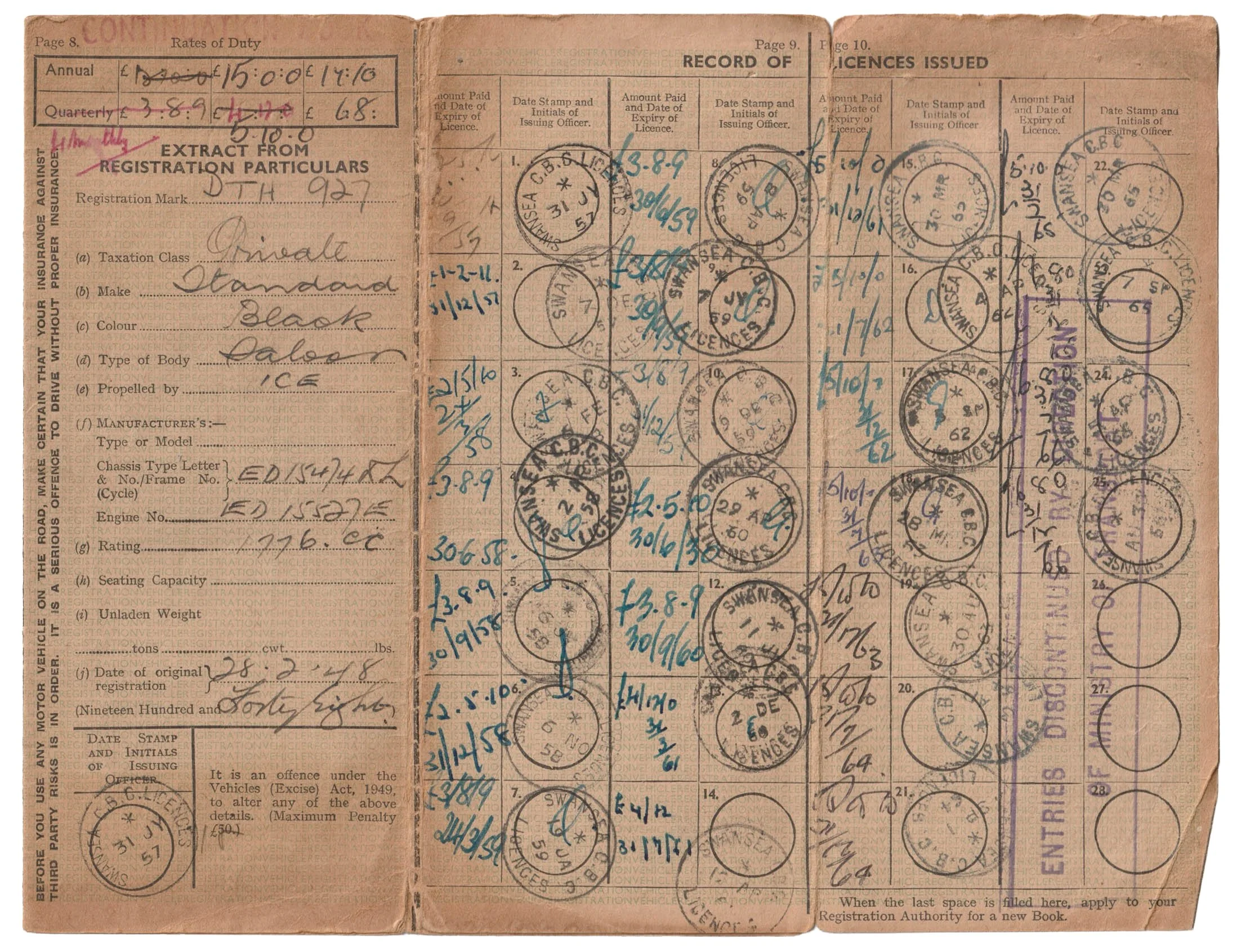
Vehicle registration book 1950
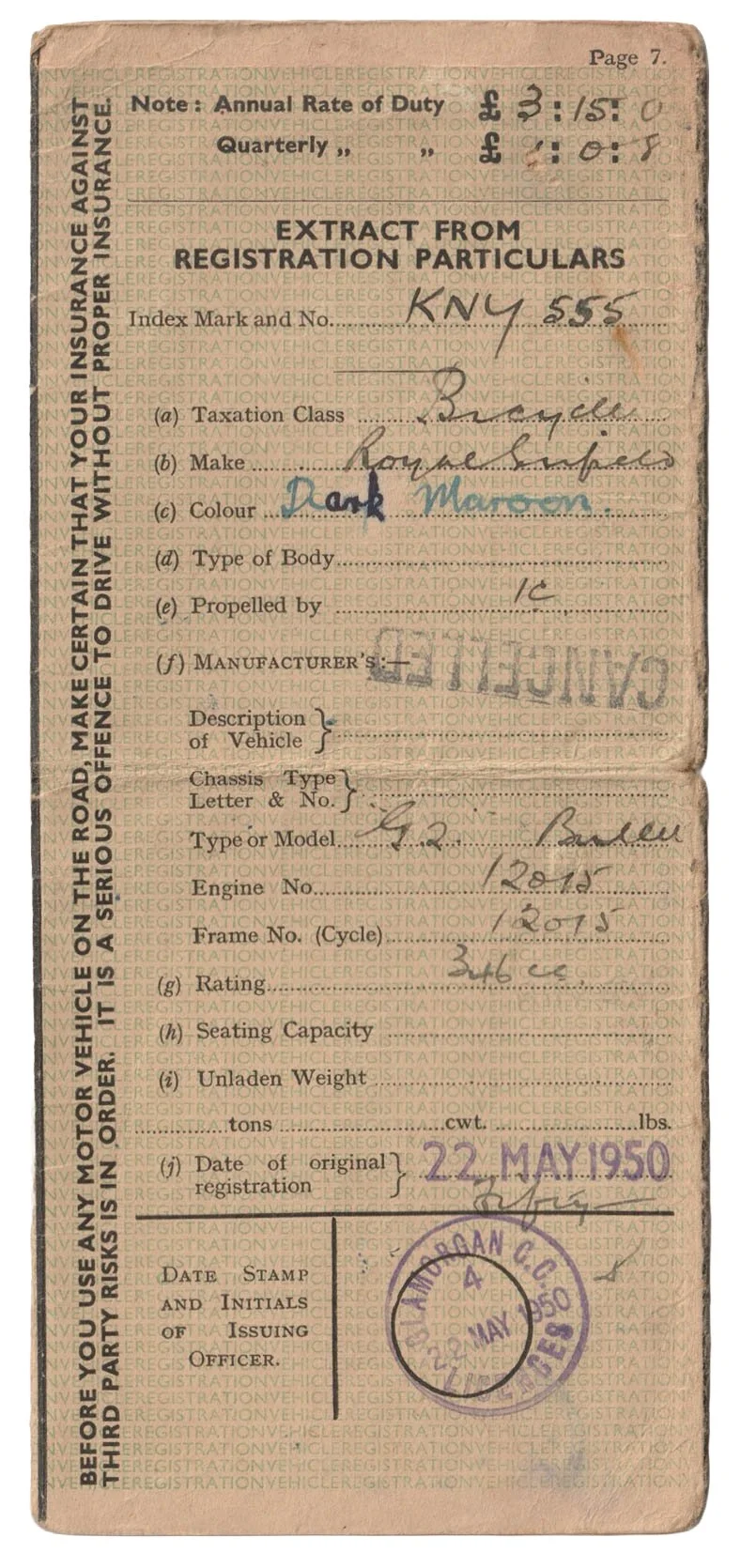
Vehicle registration book 1950
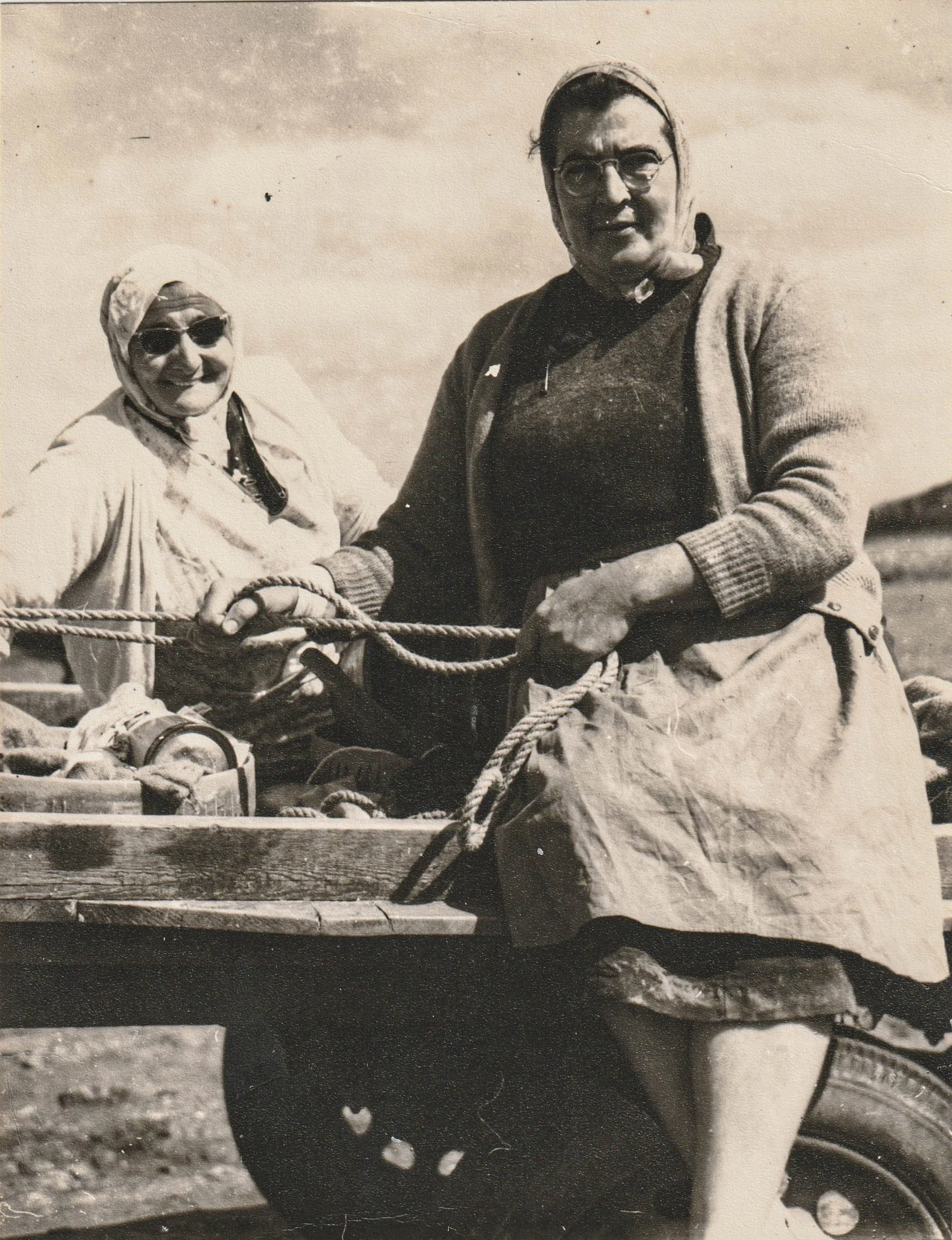
(left) Maggie Howell, who picked cockles in Penclawdd all of her life.
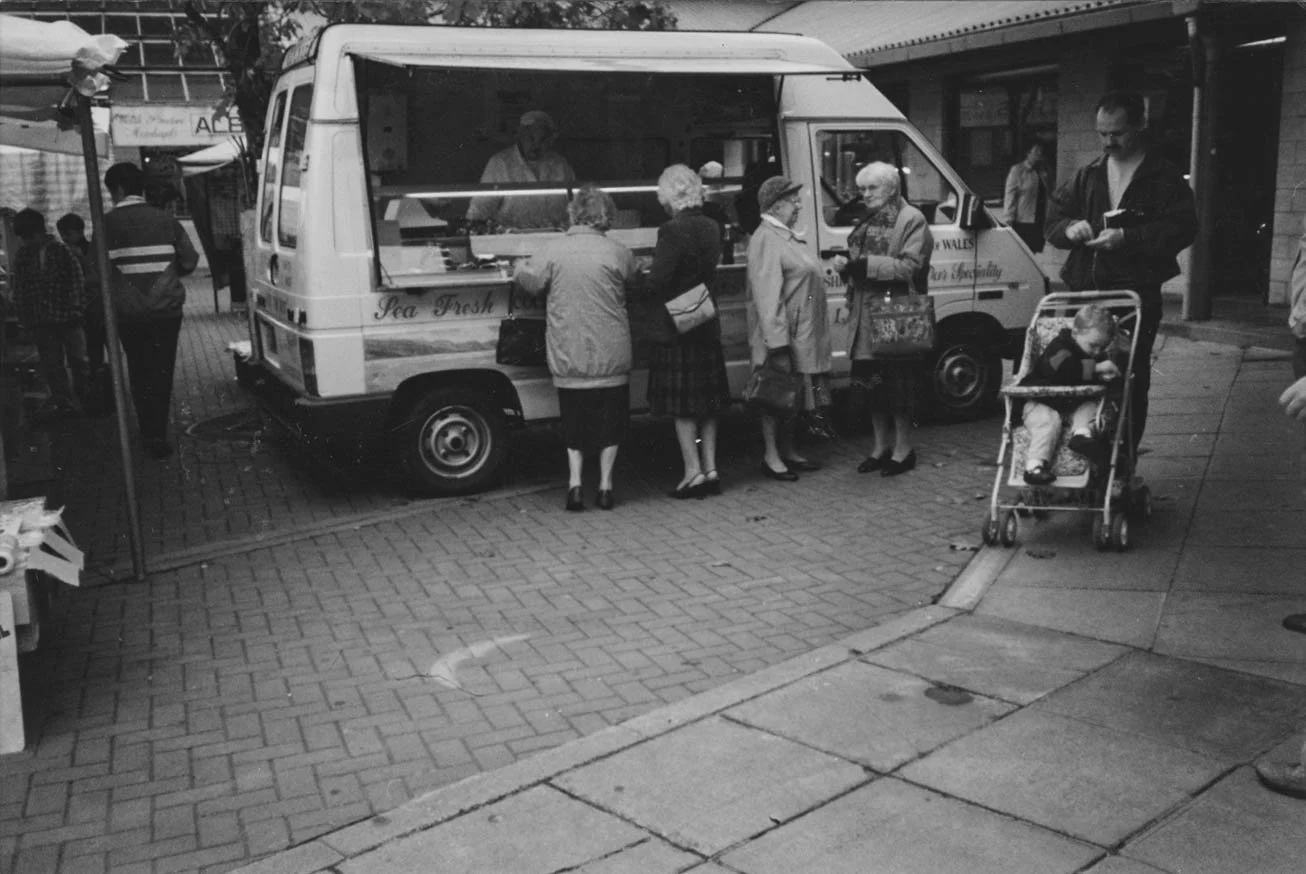
Lining up for cockles in Swansea town
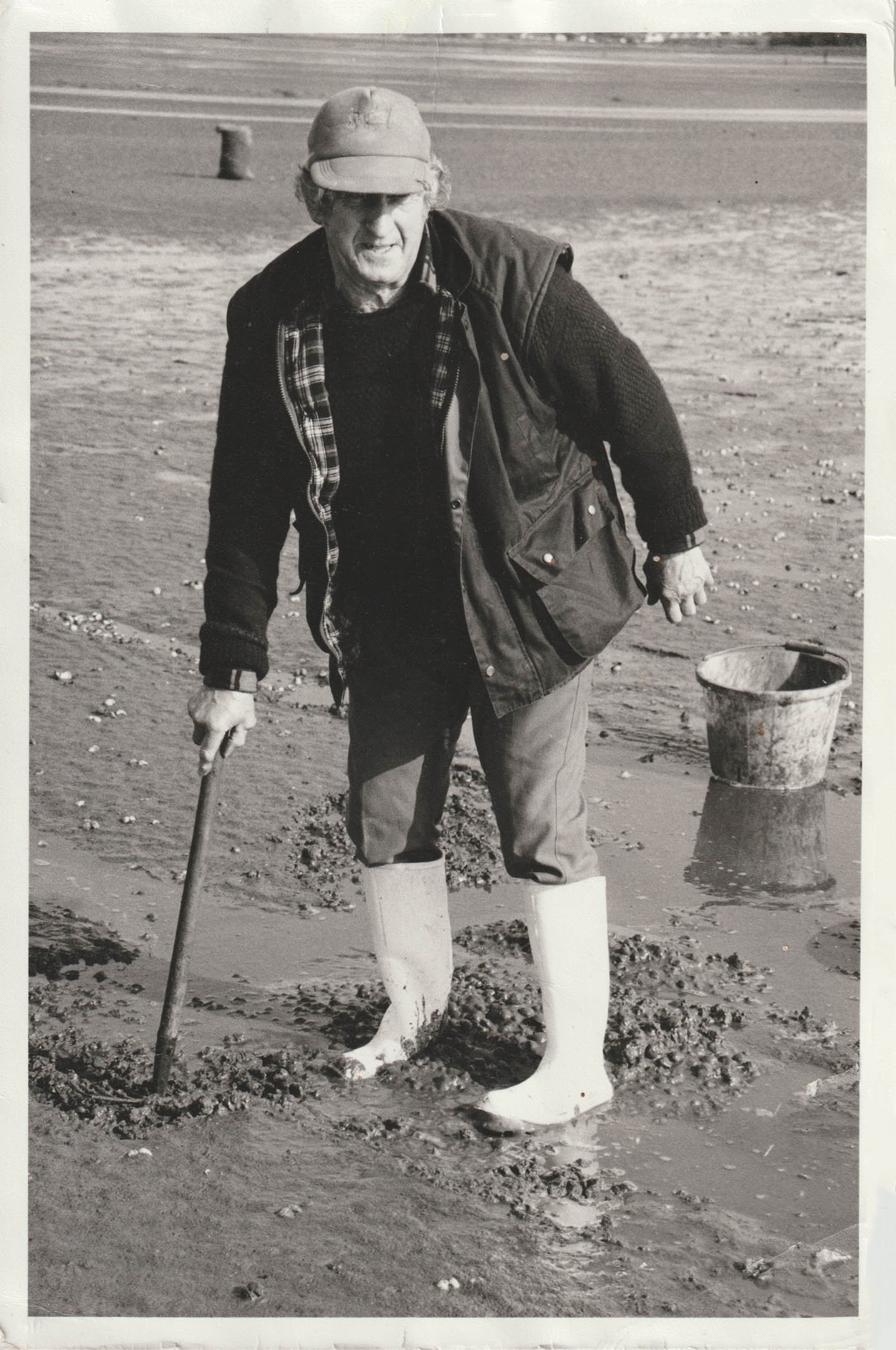
Selwyn out picking cockles on the sands
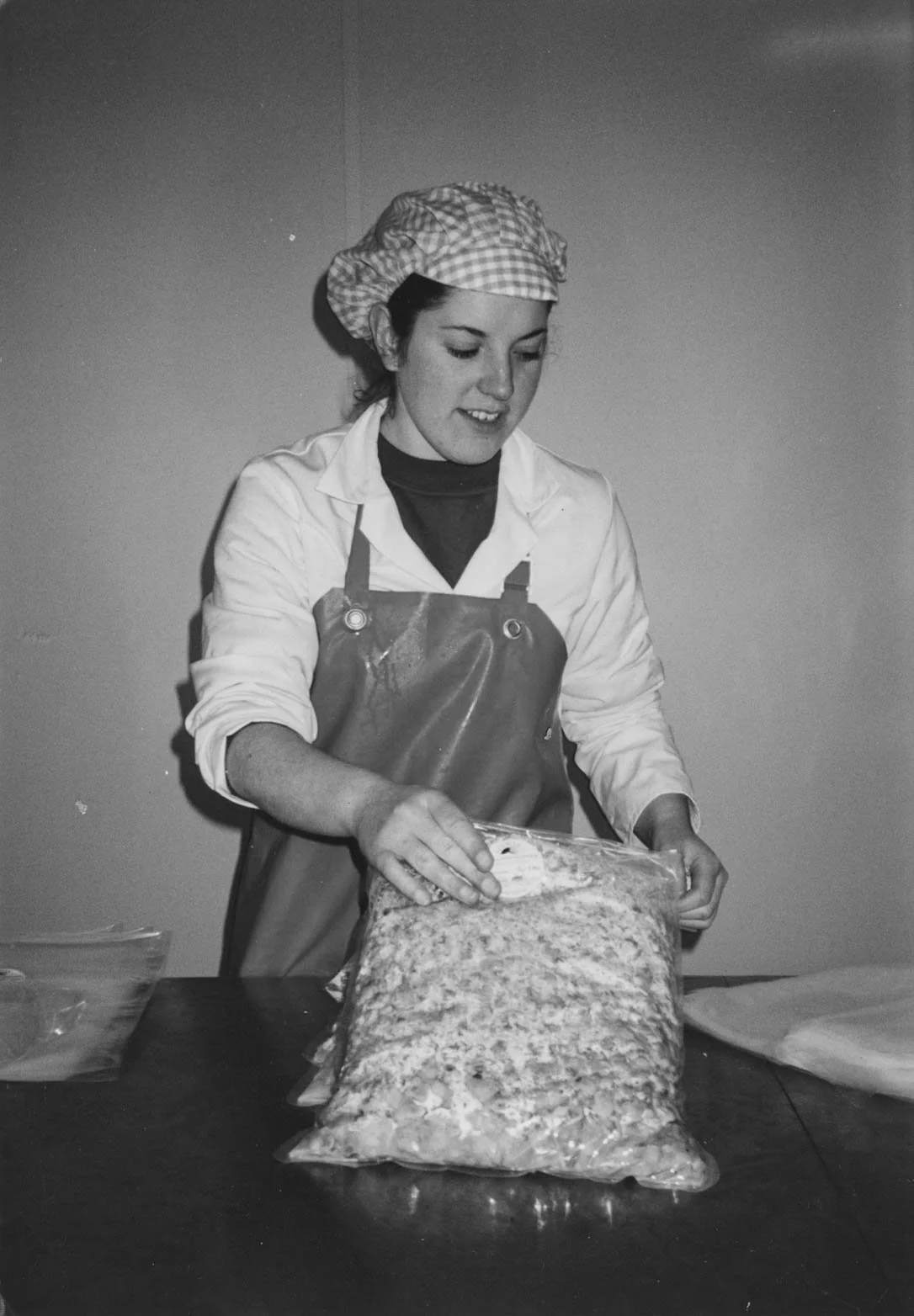
Delyth Mainwaring preparing cockles at the factory
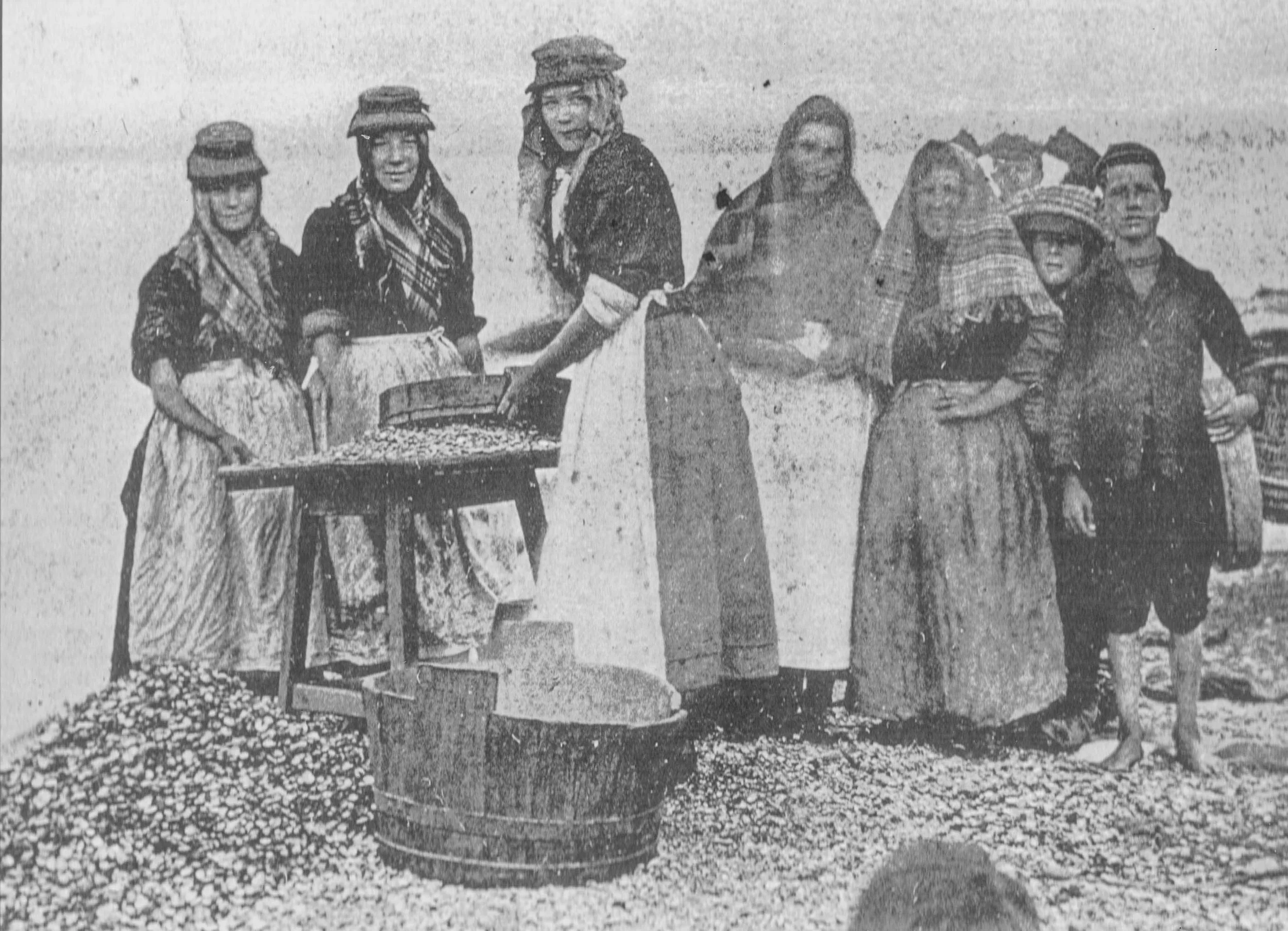
The cockles were boiled on open-fired grates, communally on the ‘Sger’ (the sea shore) or individually in private gardens.
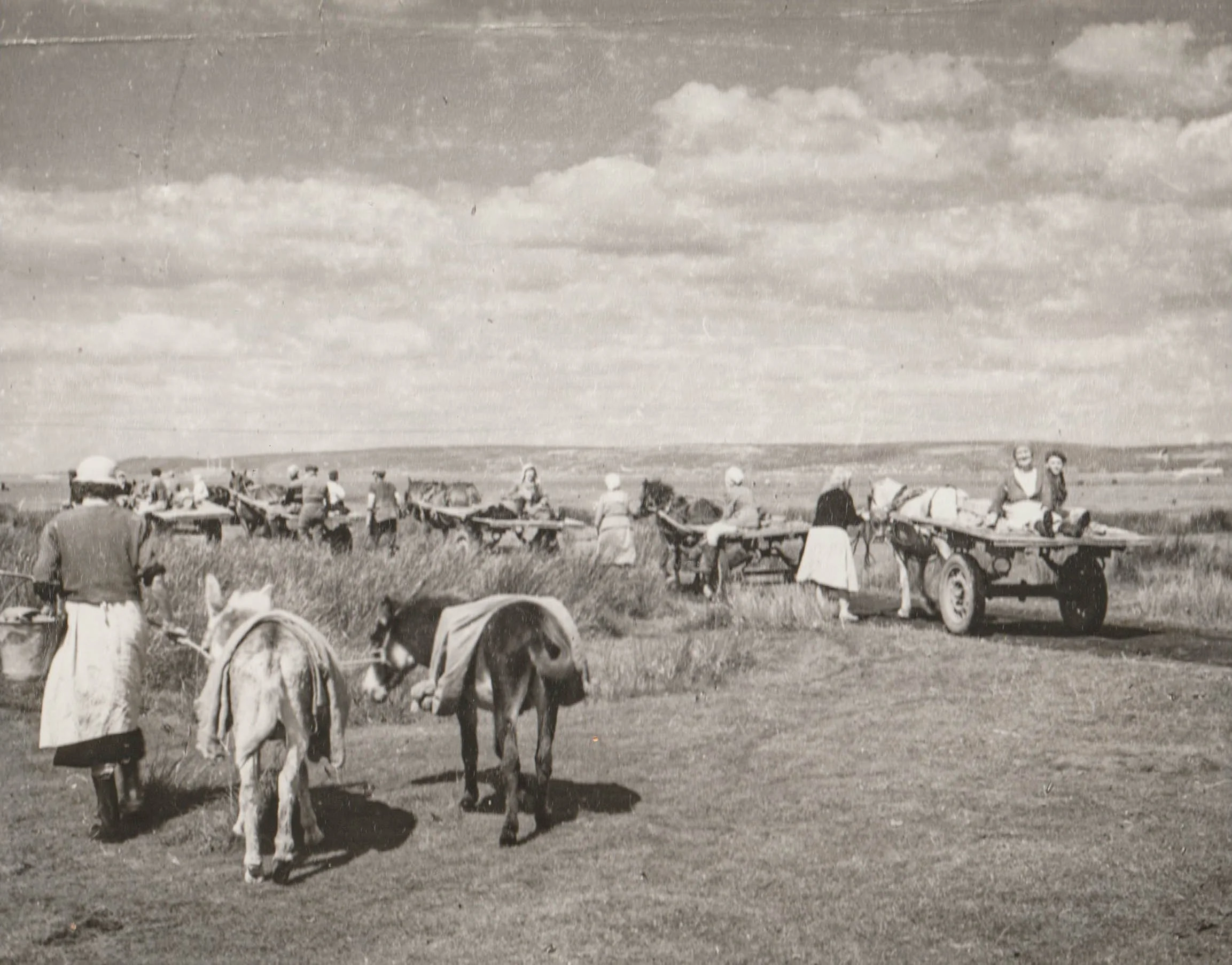
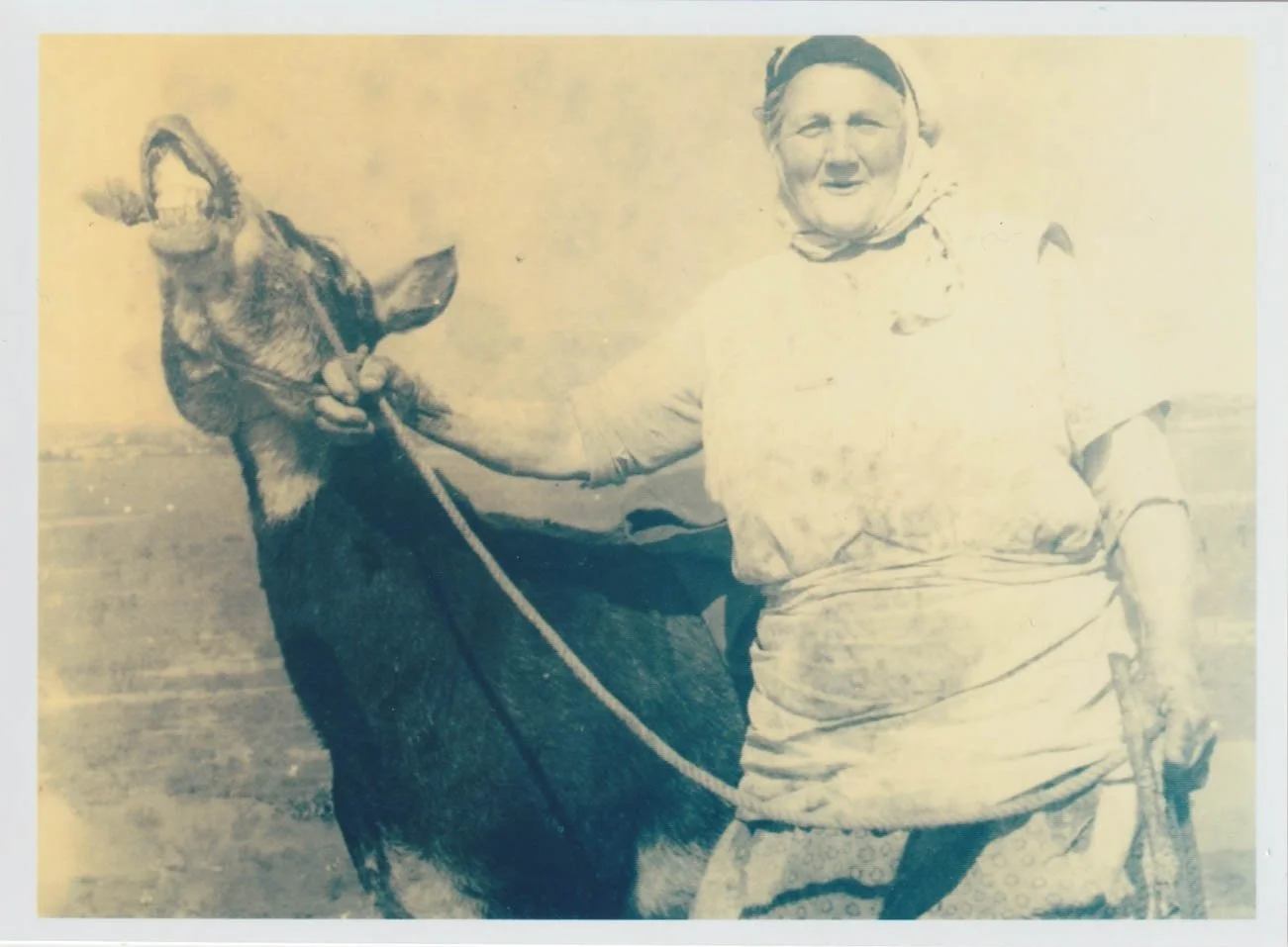
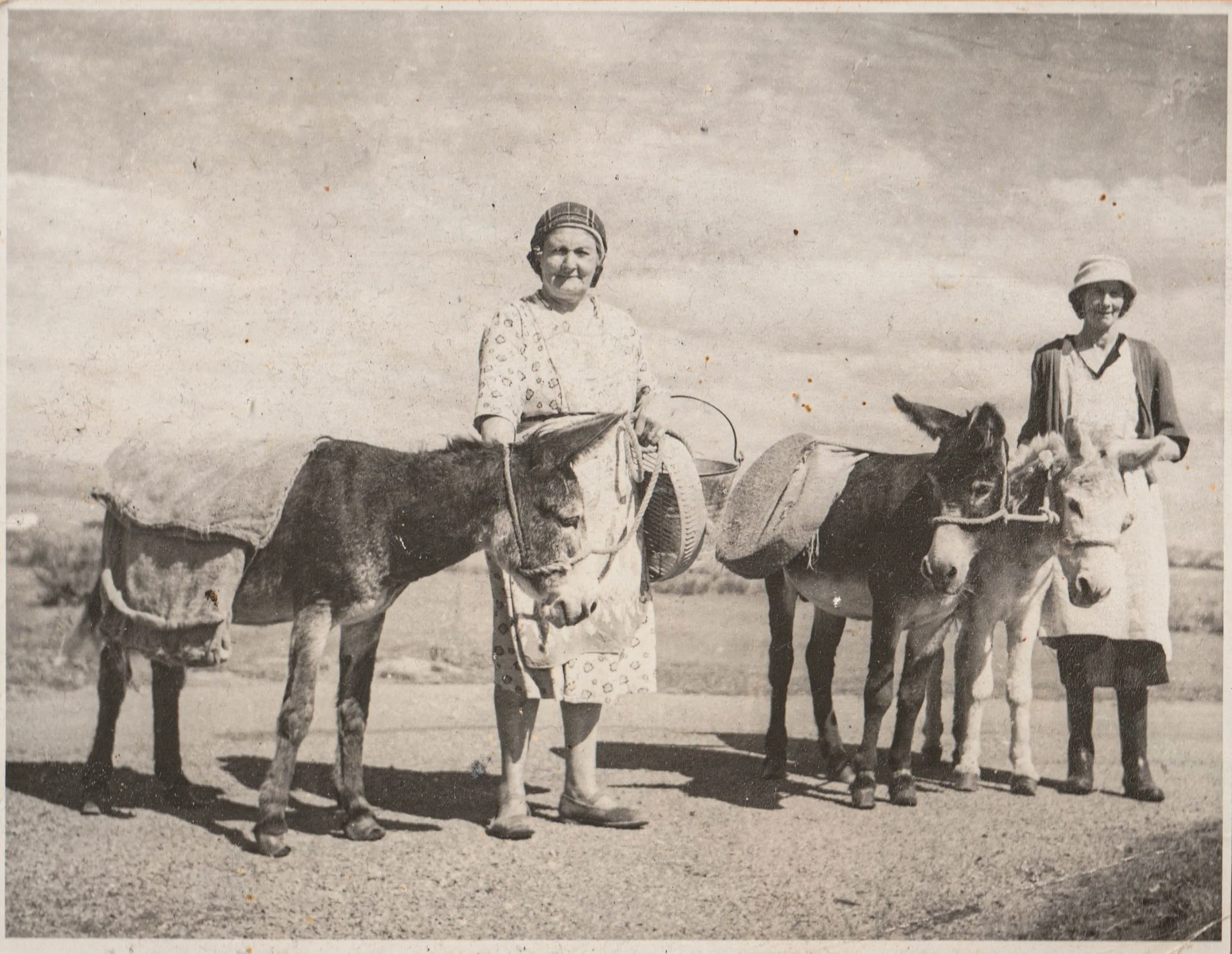
Lizzie Jayne Davies and Monty the donkey. One of the last cockle women to use a donkey, Monty would often escape from the garden and was known by all in the village.
- Michelle Small
With thanks to Selwyn’s Seafoods, Ann Roberts, Marianne Eaton, Michelle Small, Gail Knoedl, Martin Falvey, Samuel Fordham, Jamie Murray
and to the women who paved Penclawdd’s cockle industry.